






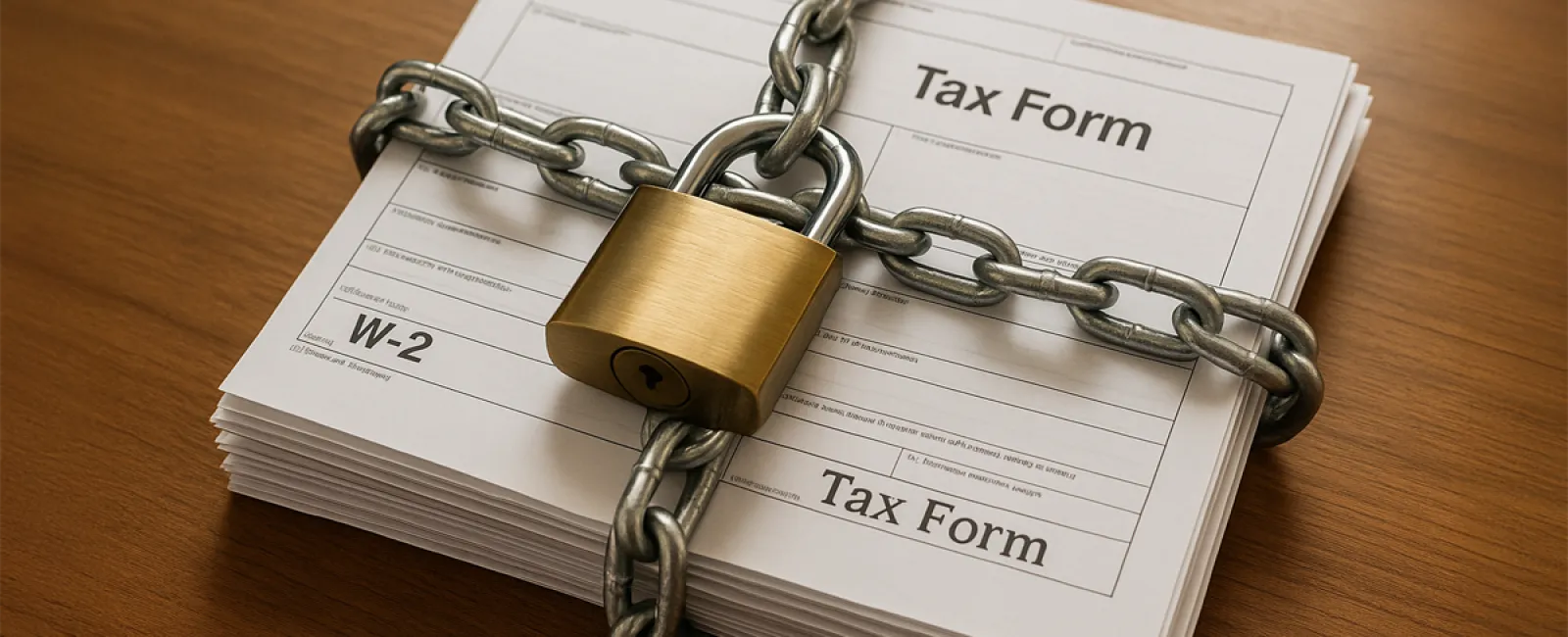
It's February, and tax season is in full swing. Accountants are swamped, bookkeepers are gathering documents, and the whole team is focused on W-2s, 1099s, and looming deadlines.
But there's a critical threat that no calendar warns you about—the first major headache of tax season often isn't a form; it's a sophisticated scam.
One particularly dangerous scam surfaces well before April, targeting small businesses with alarming ease and credibility. That scam might already be lurking in someone's inbox.
Understanding the W-2 Scam: A Closer Look
Here's how it unfolds:
An employee—most likely someone in payroll or HR—receives an email seemingly from the CEO, owner, or a high-ranking executive.
The message is brief but urgent:
"I need copies of all employee W-2s for an upcoming accountant meeting. Please send them immediately—I'm swamped today."
The request feels authentic. The tone is appropriate, and during tax season, urgency is expected.
The employee complies and sends over the W-2s.
But the email isn't from the CEO. It's from a cybercriminal using a spoofed sender address or a fake but similar domain.
Now, the attacker has access to every employee's:
• Full legal name
• Social Security number
• Home address
• Salary details
All the information needed to commit identity theft and file fraudulent tax returns ahead of your employees.
Consequences of Falling Victim
Usually, victims discover the breach when an employee tries to file their tax return and receives a rejection notice: "Return already filed for this Social Security number."
Someone else has already claimed their refund, leaving your employee trapped in a cycle of dealing with the IRS, credit monitors, identity theft services, and months of administrative hassle—all caused by a document they unknowingly sent.
Now multiply that scenario across your entire workforce. Imagine explaining to your staff that their sensitive personal data was stolen due to a fake email.
This is more than a security breach. It's a devastating hit to trust, a nightmare for HR, a potential legal liability, and a blow to your company's reputation.
Why the W-2 Scam Is So Effective
This scam isn't a clumsy phishing attempt; it's cleverly designed to fly under the radar.
Key reasons it succeeds:
• Perfect timing—W-2 requests in February are routine, making the ask seem natural.
• Reasonable demand—it never asks for outrageous sums or gifts, just common tax documents.
• Genuine urgency—"I'm slammed, can you get this to me quickly?" seems normal in a hectic office.
• Credible sender—criminals research your company's executives, making the email appear legitimate.
• Helpful employees—staff want to assist their leaders, often bypassing verification.
Steps to Shield Your Business Before It Strikes
The good news: you can stop this scam with clear policies and a vigilant culture—no advanced technology required.
1. Establish a strict "no W-2s via email" policy. Never send sensitive payroll documents as email attachments, no exceptions—even if the request seems to come from the CEO.
2. Confirm sensitive requests using a secondary method—phone calls, in-person checks, or trusted chat apps. Always use contact details already on file, not those included in the questionable message. A 30-second call can prevent months of trouble.
3. Hold a brief, focused team meeting now to educate payroll and HR about rising tax-season scams—don't wait. Awareness is your best defense.
4. Enforce multi-factor authentication (MFA) on all systems accessing employee data. MFA acts as a final lock against unauthorized access even if credentials are compromised.
5. Cultivate a culture where verification is encouraged and praised. Employees who double-check suspicious requests should be applauded, not reprimanded.
Implement these five straightforward steps this week to effectively block the initial wave of tax-related fraud.
The Wider Threat Landscape
The W-2 scam is just the beginning.
Between now and April, brace for a surge of tax-season phishing attempts, including:
• Fake IRS notices demanding immediate payments
• Phony emails posing as tax software updates
• Spoofed communications from "your accountant" containing harmful links
• Bogus invoices disguised as legitimate tax expenses
Tax season criminals exploit our rushed, distracted state and the familiarity of financial requests.
Companies that navigate tax season securely aren't fortunate—they are prepared, equipped with policies, training, and technologies to detect threats before they explode.
Are You Ready to Defend Your Business?
If your team already follows strong security protocols and recognizes scam tactics, you're ahead of many small businesses.
If not, now is the moment to act—not after your first compromise.
Schedule a 15-minute Tax Season Security Check:
We'll evaluate:
• Payroll and HR system access controls including MFA
• W-2 verification procedures
• Email protections against spoofing
• The key policy adjustment that most businesses overlook
If this doesn't describe your organization, great—but you probably know another business owner who would benefit from this advice. Share this article—it could save them from a costly cyberattack.
Click here or give us a call at 888-624-7383 to schedule your free 15-Minute Discovery Call.
Tax season is stressful enough—don't add identity theft to the list.


