






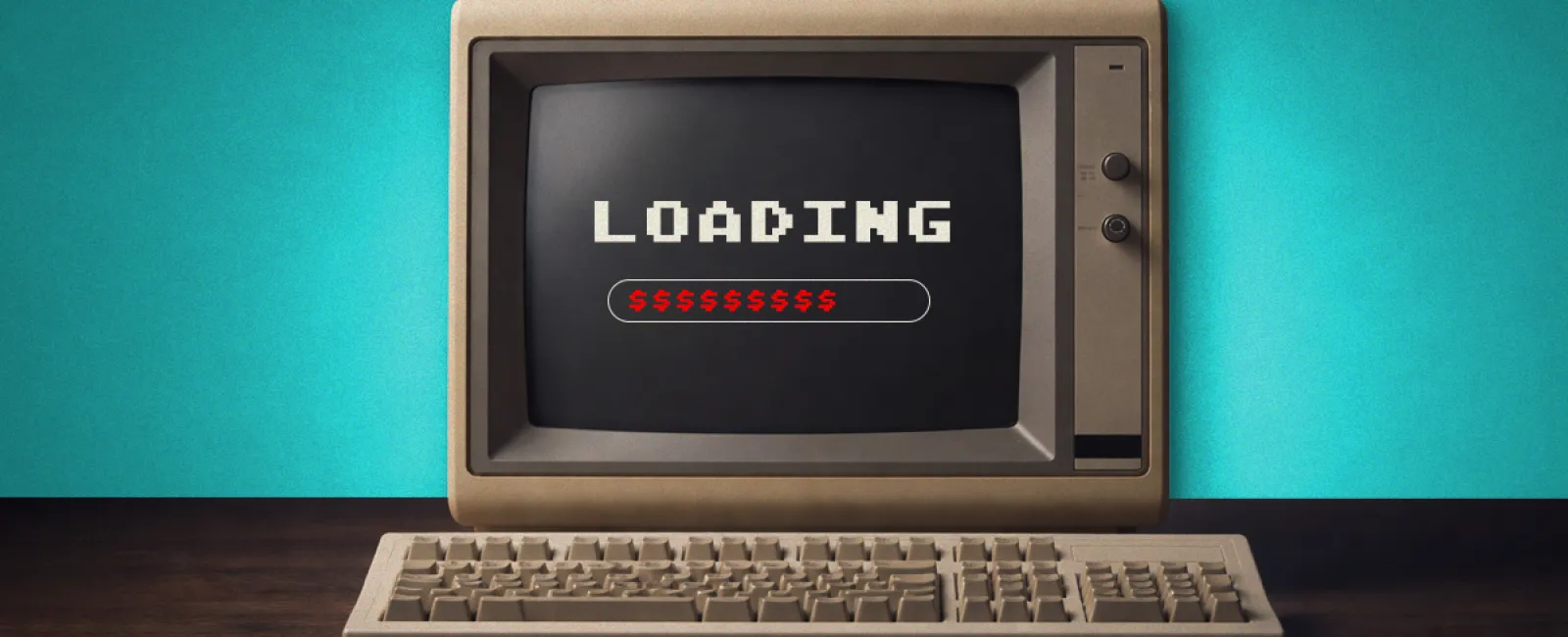
It's easy to treat aging technology like a sock with a small hole in it—still usable, still hanging around, and not quite annoying enough to replace yet.
You may only notice the problems in passing: an email that takes forever to send, a screen that freezes after you click save, or a program that seems to stall for no reason.
Those hassles are frustrating, but they rarely stop the work completely. So you keep pushing through, and the same technology issues keep following you around.
What feels minor in the moment can quietly drain your budget every month.
Outdated technology can become more expensive than replacement
Keeping old systems often feels like the sensible, budget-friendly move. If it still works, why change it?
The challenge is that aging equipment creates hidden costs that build over time.
Energy usage is one of the first places it shows up. Older equipment has to work harder to keep pace, which means it draws more power, produces more heat, and puts more strain on the surrounding environment, especially in hot weather. Newer systems are designed for better performance and efficiency, using less energy while doing more. That translates into lower operating costs over time.
Time is another cost that's easy to overlook. Tasks that used to be quick start taking longer. Systems slow down, files open more slowly, and minor delays become part of the daily routine. Work still gets done, but at a slower pace, and that lost time adds up fast.
Then come the disruptions. Freezes, dropped connections, and repeated restarts become normal. Each one may only take a few minutes, but every interruption breaks concentration and reduces productivity.
When you look at the full picture—higher utility bills, wasted time, and constant interruptions—it becomes easier to see why holding onto old technology can cost far more than it saves.
What changes when you stop funding the problem
Once the recurring issues are addressed and outdated systems are replaced where it makes sense, the improvement is easy to notice.
- Systems power on when they should, without extra effort or repeat attempts
- Daily restarts and quick fixes stop dominating the workflow
- Your team can focus on real work instead of waiting on slow technology
- Energy consumption decreases as efficient systems replace older equipment
- Costs tied to downtime and inefficiency begin to drop
The day runs more efficiently, your team stays on task, and you're no longer paying to keep outdated systems barely alive.
Ready to make a smarter move?
If your systems are sluggish, problems keep returning, or your team has started working around the technology instead of with it, you're already paying the price.
The real question is how long you want to keep absorbing that cost.
This issue won't resolve itself. It continues to drain time, increase bills, and create interruptions that never fully go away.
That's where we help.
As your IT partner, we do more than fix problems—we help you stop overspending on technology that isn't delivering.
- We identify which systems are costing you more than they should
- We help you determine what should be replaced now and what can wait
- We recommend efficient, right-sized upgrades without unnecessary extras
- We manage the transition so your team stays productive
- We keep everything maintained so you don't end up back here again
Instead of guessing or delaying, you'll have a clear plan and technology that supports your business.
Click here or give us a call at 888-624-7383 to schedule your free 15-Minute Discovery Call.
We'll help you pinpoint what's driving up your costs—and what's actually worth repairing or replacing now.
And if you know someone dealing with the same slow systems and constant breakdowns, share this with them. They may be paying for it too.


